Life in modern Indian homes is beautiful but not always easy. With more families moving into duplexes, villas, and multi-storey apartments, everyday tasks like climbing stairs, carrying groceries, or helping elderly parents move between floors can quickly turn into a challenge.
Stairs, though traditional, are not practical for everyone. For seniors with mobility issues, kids prone to accidents, or even adults managing heavy household items, they can be unsafe and inconvenient. This creates a pressing need for a better solution—one that ensures safety, convenience, and long-term comfort.
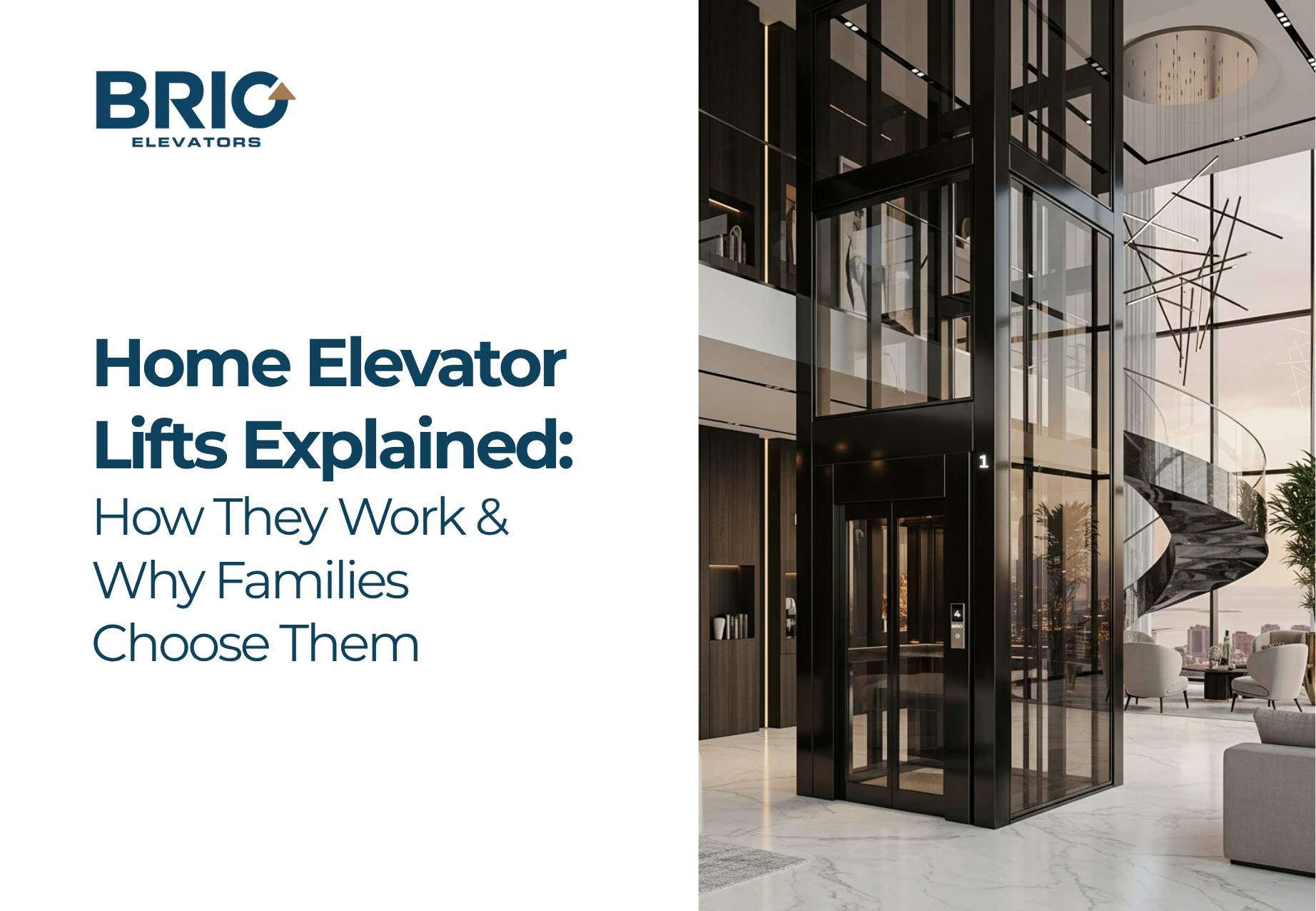
This is where the home elevator lift comes in. Once considered a luxury reserved for high-end homes, today a residential lift elevator has become both practical and affordable for Indian families.
A lift for home isn’t just about moving from one floor to another—it’s about improving the quality of life. With modern technology, stylish designs, and compact installation, these lifts are tailor-made for Indian households.
But how exactly do they work, and why are families increasingly choosing them? Let’s find out.
Modern home elevator lifts are designed to be simple, safe, and efficient. While the exact mechanism may vary depending on the model, here’s how most work:
In short, a residential lift elevator combines technology and safety to give homeowners a hassle-free experience every day.
For families with elderly parents, a lift for home is more than convenience—it’s a necessity. With safety features like anti-squeeze doors, emergency alarms, and smooth speed control, it ensures complete peace of mind.
Unlike commercial lifts, home elevator lifts are designed to fit into compact spaces. They require minimal shaft space and can be installed indoors or outdoors, making them perfect for urban Indian homes.
Modern homeowners don’t just want utility—they want style. That’s why residential lifts come with customizable cabins, designer finishes, glass panels, mood lighting, and even door options that blend with interiors.
As families grow and age, accessibility becomes more important. Installing a home elevator lift makes life easier for seniors, kids, and even adults carrying luggage, groceries, or furniture. It also future-proofs your home for long-term comfort.
Today’s lifts run quietly and consume very little electricity—often no more than a fridge or AC. Gearless systems make the ride smoother and more eco-friendly, reducing both noise and energy bills.
A residential lift elevator isn’t just about comfort; it’s an investment. Homes with lifts command higher resale value, as buyers see them as premium, future-ready features.
Consider a family in Bangalore living in a duplex. Their parents found stairs increasingly difficult, and carrying groceries upstairs was exhausting. After installing a residential lift elevator, life changed dramatically:
This is why families across India are embracing the idea of a lift for home—it transforms everyday living.
A home elevator lift is more than just a tool—it’s a lifestyle upgrade. It combines safety, style, and space efficiency while making life easier for every family member.
If you’re ready to bring comfort, elegance, and convenience into your multi-storey home, now is the time to explore the possibilities.
1. How safe are home elevator lifts for families?
Home elevator lifts are designed with advanced safety features such as automatic door sensors, emergency alarms, smooth braking systems, and backup power. These make them completely safe for kids, seniors, and everyday use.
2. Do home elevator lifts need a lot of space?
Not at all. Modern residential lift elevators are compact and can fit even in small urban homes. They require minimal shaft space and can be installed indoors or outdoors without major structural changes.
3. How much electricity does a home elevator lift consume?
A lift for home is surprisingly energy-efficient. On average, it consumes power similar to a refrigerator or air conditioner, making it affordable to run daily.
4. Can I customize the design of my residential lift elevator?
Yes! You can choose from various cabin finishes, glass panels, flooring, lighting, and door designs to match your home’s interiors. Home elevators today are as stylish as they are functional.
5. How long does it take to install a home elevator lift?
The installation time depends on your home’s structure and the type of lift chosen. On average, most home elevators can be installed within 4–8 weeks, including customization and safety checks.
6. Does adding a home elevator increase property value?
Absolutely. A home elevator lift is seen as a premium feature in the Indian housing market. It not only improves daily living but also increases resale value, making it a smart long-term investment.