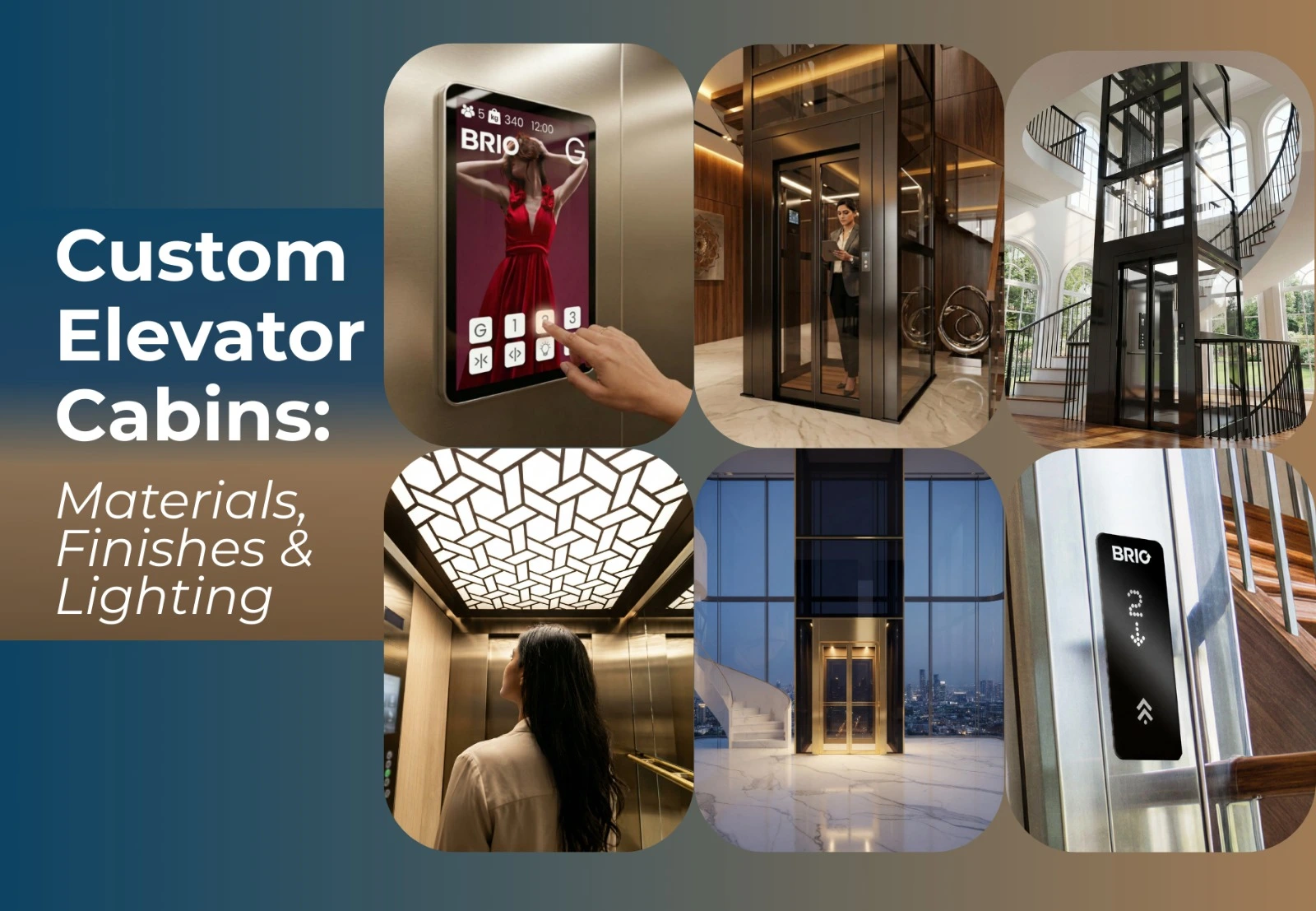
Home elevators have quietly become one of the most practical upgrades for modern houses. What used to be seen as a luxury is now a thoughtful addition that improves comfort, accessibility, and everyday convenience. But today, installing a lift is not only about function. Many homeowners now pay attention to elevator cabin design because the interior of the lift becomes part of the home experience.
Think about it for a moment. The elevator cabin is a small space, but it’s one you enter several times a day. If that space feels cramped, dull, or poorly lit, the ride can feel uncomfortable. On the other hand, when the cabin is designed well with the right materials, lighting, and finishes,it can feel calm, spacious, and surprisingly elegant.
In modern residential elevators, design flexibility has improved significantly. Homeowners can choose from different materials, lighting concepts, and finishing styles to create interiors that match their home. Whether the house follows a minimal modern theme or a warm classic style, the elevator can blend right in.
In this guide, we’ll walk through the key elements that shape a well-designed elevator cabin and explain how thoughtful choices can transform the entire lift experience.
When people first consider installing a home elevator, their attention usually goes to performance features like safety systems, motor technology, or energy efficiency. Those are obviously important. But the interior space inside the lift is just as important in daily use.
A well-planned elevator cabin design can change the way people experience the lift. Good lighting can make the cabin feel open rather than enclosed. Balanced materials can create a sense of calm instead of clutter.
In residential spaces especially, elevators are often installed near staircases, living areas, or entry zones. Because they are visible, the cabin interior should feel consistent with the rest of the home’s décor.
Another reason homeowners invest time in design is personalization. Modern lift manufacturers allow a surprising level of customization. This means families can create custom elevator interiors that match their taste, whether they prefer something sleek and modern or warm and traditional.
Durability is also an important factor. A cabin that uses high-quality materials tends to stay attractive even after years of use. Small scratches, fingerprints, and wear become less noticeable when the right finishes are selected.
The overall look and durability of the elevator largely depend on the materials used inside the cabin. Selecting suitable home lift cabin materials is often the first step when planning the interior.
Different materials create different moods, so the choice usually depends on the design style of the home.
Stainless steel continues to be one of the most reliable home lift cabin materials. It is strong, resistant to corrosion, and easy to maintain.
Many residential elevators use brushed stainless steel panels because they offer a clean and contemporary look. Mirror finishes are also common because they reflect light and make the cabin feel larger.
Apart from aesthetics, stainless steel also performs well in daily use. It withstands frequent contact without losing its appearance quickly.
Glass panels have become increasingly popular in residential elevators. They help remove the feeling of being enclosed in a small box and instead create a more open environment.
Transparent or frosted glass is often used depending on the privacy required. When paired with metal frames or soft lighting, glass panels can give the cabin a modern architectural feel.
Homes with warm interiors often benefit from wood or laminate panels inside the lift. These materials add a sense of comfort and elegance.
They are commonly used in villas or premium homes where the elevator needs to blend with wooden furniture, flooring, or wall finishes.
Another advantage is flexibility. Laminates are available in numerous patterns, allowing homeowners to experiment with textures and tones.
For homeowners who want something more distinctive, small marble or stone elements can add character to the cabin.
While these materials are typically used sparingly to maintain structural balance, even subtle accents can elevate the visual appeal.
After choosing materials, the next important step is selecting finishes. Finishes determine how the surfaces actually appear once installed. In many cases, they are what give custom elevator interiors their unique personality.
Different finishing styles can dramatically change the mood of the cabin.
Mirror finishes are often chosen for compact elevators because they reflect light and visually expand the space.
When the cabin walls reflect both lighting and surrounding elements, the lift feels brighter and less confined.
Matte finishes are popular among homeowners who prefer understated elegance. These surfaces create a softer appearance compared to highly reflective panels.
They are also practical since they hide fingerprints and smudges better.
Brushed metal finishes introduce texture while maintaining a modern look. Instead of reflecting light sharply, they diffuse it gently, which creates a balanced visual effect.
These details help shape custom elevator interiors that feel carefully designed without being overly decorative.
Lighting plays a much bigger role in elevators than many people realize. The right elevator lighting ideas can make a small cabin feel bright, welcoming, and comfortable.
LED ceiling panels are one of the most common lighting solutions used today. They provide consistent illumination across the cabin.
LED lights are also energy-efficient and have a long lifespan, which makes them practical for residential lifts.
Indirect lighting adds depth to the cabin design. LED strips hidden along panel edges or ceiling borders create a soft glow that enhances the overall ambiance.
This approach is subtle but very effective in improving the cabin atmosphere.
Accent lights are sometimes used to highlight textured panels or decorative elements.
These small touches can add dimension and make the interior look more sophisticated.
Light temperature also affects how the cabin feels. Warm lighting tends to create a relaxed environment, while cooler tones feel crisp and contemporary.
Using these elevator lighting ideas carefully can make even simple interiors look polished.
In many modern houses, elevators are designed to reflect the same level of sophistication as the rest of the property. This is where luxury lift interiors come into the picture.
These interiors typically combine premium materials with carefully planned design details. Metallic trims, designer panels, and elegant ceilings are often used to enhance the visual appeal.
Another defining feature of luxury lift interiors is attention to smaller details. Elements such as handrails, flooring patterns, and control panels are designed to match the overall theme.
When these features come together, the elevator becomes more than just a functional tool. It becomes part of the home’s design identity.Tips for Planning Elevator Cabin Design
When planning a new lift, keeping a few simple ideas in mind can help achieve a balanced elevator cabin design.
Match the cabin with the home interior
Consistency with the surrounding décor always improves visual harmony.
Choose durable materials
Materials should look good but also handle everyday wear.
Plan lighting carefully
Lighting should make the space comfortable while highlighting the design.
Keep things simple
Clean, minimal designs often age better than overly decorative interiors.
Conclusion
A thoughtful elevator cabin design can significantly enhance the overall experience of using a home elevator. When the right materials, finishes, and lighting are combined, the cabin becomes more than just a functional space.
Selecting durable home lift cabin materials, designing stylish custom elevator interiors, and incorporating smart elevator lighting ideas all contribute to creating a comfortable environment. For homeowners looking to add a premium touch to their living space, well-planned luxury lift interiors offer both style and practicality.
Planning to install a home elevator or upgrade your lift interior?
Our Brio team can help you design a cabin that combines comfort, elegance, and modern technology. Get in touch today to explore customized elevator solutions for your home.
1. What is elevator cabin design?
It refers to the materials, finishes, lighting, and layout used to create the interior environment of an elevator.
2. Which materials are commonly used in residential elevator cabins?
Popular home lift cabin materials include stainless steel, glass panels, laminates, and wood.
3. Can elevator interiors be customized?
Yes. Many manufacturers allow homeowners to create custom elevator interiors that match the home’s décor.
4. What lighting works best for elevator cabins?
Common elevator lighting ideas include LED ceiling panels, indirect lighting, and accent lighting.
5. What makes luxury lift interiors unique?
Luxury lift interiors focus on premium materials, elegant finishes, and refined lighting to create a sophisticated lift environment.