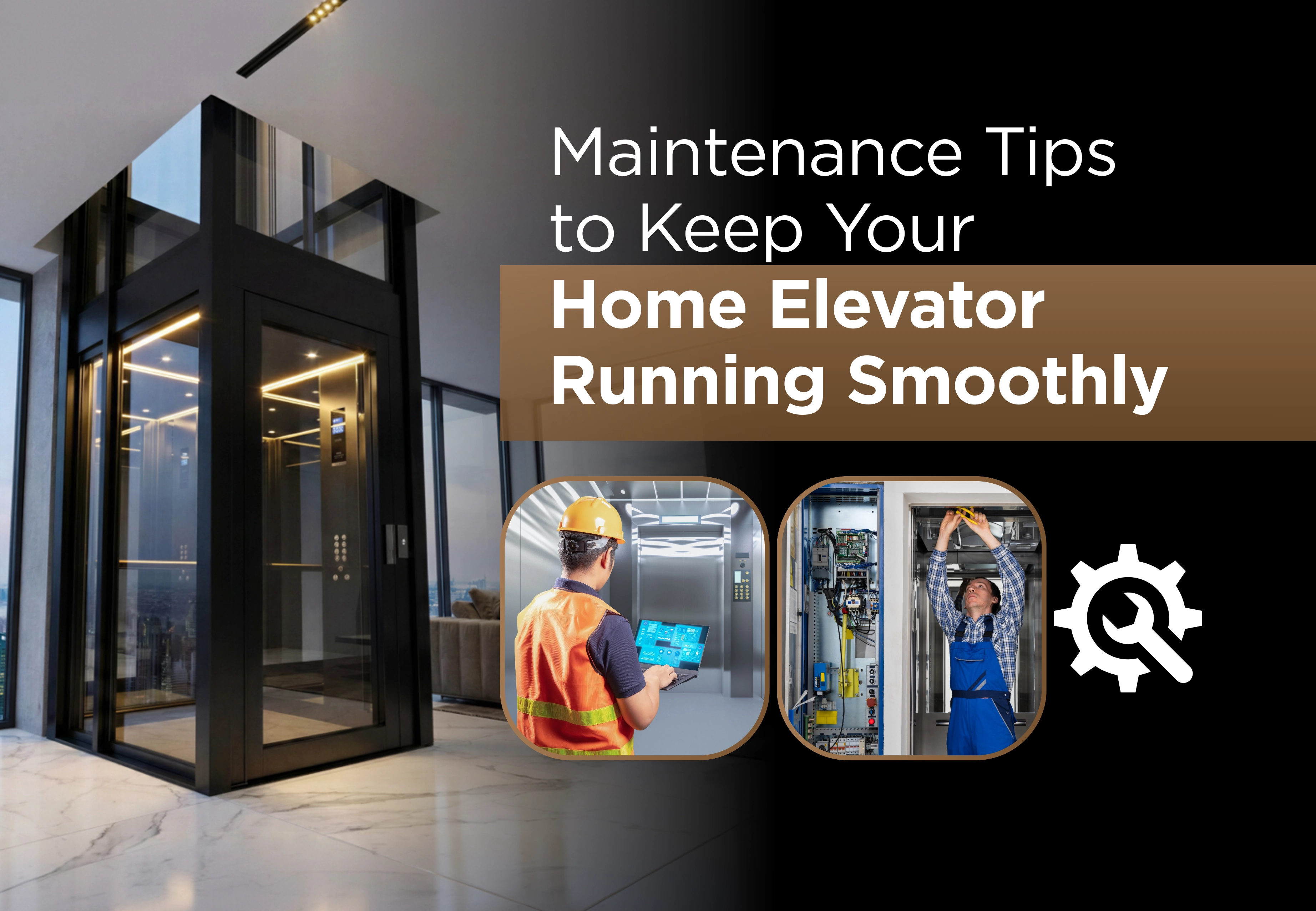
A home elevator usually blends into daily life. You use it, it works, and you move on. Most days, you don’t really think about what’s happening behind the panels and doors. That’s normal. But over time, small things inside the system start to change, even if everything looks fine on the outside. This is where home elevator maintenance quietly does its job.
Many people only think about maintenance when something feels wrong. A noise. A delay. A stop that doesn’t feel right. The truth is, elevators rarely fail suddenly. They give signs. The problem is that those signs are easy to ignore until they become inconvenient or expensive.
This article isn’t about technical instructions. It’s about understanding how simple habits and timely care keep your elevator working the way you expect it to.
A home elevator doesn’t need constant attention, but it does need consistency. Motors, rails, doors, and control systems all work together every time the elevator moves. Even with light use, wear slowly builds up.
Regular home elevator maintenance helps manage that wear before it turns into a real issue. It also keeps the ride comfortable. When an elevator is well maintained, you feel it even if you can’t explain why.
Most importantly, maintenance supports safety. When family members depend on the elevator every day, reliability stops being optional.
You don’t have to understand how an elevator is built to care for it. You just need to know what’s normal in your home.
This is a basic but often ignored part of residential elevator care. If the doors usually open smoothly and one day they hesitate, that’s worth noticing. If the ride feels louder than usual, that matters too.
These small changes don’t always mean something is wrong, but they do mean it’s time to pay attention.
Waiting for a breakdown almost always causes more trouble than planning ahead. Preventive maintenance is simply about staying one step ahead.
One of the most practical lift maintenance tips is sticking to a regular service schedule. During professional elevator servicing, technicians look at parts most homeowners never see. They adjust, lubricate, and test systems that quietly affect performance every day.
It’s not dramatic work, but it’s effective.
A clean elevator isn’t just about appearance. Dust, small debris, and even moisture can affect how doors move or how sensors respond.
Supporting home elevator maintenance can be as simple as keeping the cabin clear and wiping surfaces gently. Avoid forcing doors or letting objects rest near tracks.
These small actions don’t feel important at the moment, but over time, they make a real difference.
Small Changes Usually Mean Something
Elevators rarely go from “perfect” to “broken” overnight. They change gradually.
Noticing those changes is a quiet part of residential elevator care. Slight vibrations, unfamiliar sounds, or slower movement are signals. They don’t always mean immediate repair, but they do mean it’s time to check.
Ignoring these signs usually costs more later.
Safety Features Should Never Be Assumed
Every home elevator includes safety systems, but they shouldn’t be taken for granted. Emergency alarms, backup power, and door locks need to work when they’re needed, not just when they’re tested during installation.
Occasional elevator safety checks, such as testing alarms or emergency lighting, help ensure everything responds as expected. Deeper checks happen during service visits.
Safety isn’t something to think about only after a problem.
Every elevator has a capacity designed to protect its internal components. Exceeding it doesn’t always cause immediate issues, which is why people often ignore it.
Following limits is one of the simplest lift maintenance tips, yet it’s often overlooked. Repeated overloading adds stress to motors and braking systems and shortens their lifespan.
Using the elevator within its limits keeps performance consistent.
Daily care is helpful, but it doesn’t replace expert eyes. Technicians are trained to notice early wear, alignment issues, and electrical concerns that homeowners simply can’t detect.
Regular elevator servicing keeps your system aligned with safety standards and manufacturer recommendations. It also protects warranties and service records.
Skipping inspections usually creates bigger problems later.
An elevator works best when everyone uses it correctly. Simple habits waiting for doors to open fully, avoiding force, and following basic guidelines protect the system.
Encouraging good habits supports home elevator maintenance without any extra effort. It also helps guests and family members feel comfortable using the elevator.
Good use equals longer life.
Delaying repairs almost never works in your favor. Small issues don’t fix themselves, and they rarely stay small.
Prompt action supports ongoing elevator safety checks and reduces downtime. Early repairs are usually quicker and far less disruptive.
Maintenance is easier when it’s timely.
A home elevator adds real value to daily life, but only when it works the way it should. That reliability comes from small habits, regular attention, and professional support at the right time.
Good home elevator maintenance isn’t complicated or demanding. It’s simply consistent. When done right, it keeps your elevator smooth, safe, and dependable year after year.
Want to avoid unexpected elevator issues?
📞 Schedule a professional maintenance check today
📩 Speak with experienced Brio elevator specialists for reliable guidance
1. How often should a home elevator be maintained?
Most elevators need professional inspection once or twice a year, depending on use.
2. Can I manage maintenance on my own?
Basic cleaning and observation are fine. Technical work should always be handled by professionals.
3. What signs mean my elevator needs attention?
New noises, slow doors, vibrations, or uneven stops are common indicators.
4. Does elevator type affect maintenance?
Yes. Different systems have different care requirements.
5. Is maintenance really necessary if the elevator works fine?
Yes. Maintenance prevents problems before they interrupt daily life.